Home » Senza categoria » Pecorino Wine: The Marchigiano Grape Conquering Modern Palates
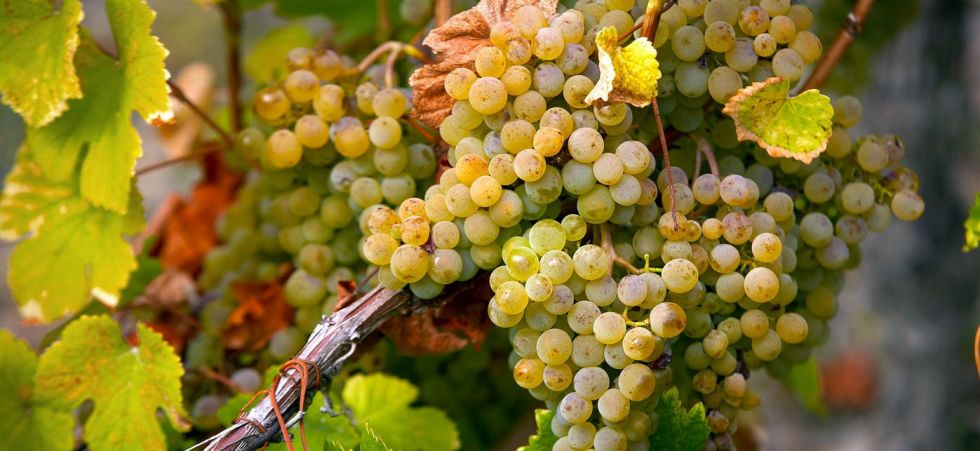
Pecorino wine originates from an ancient white grape variety rooted in the hills of Marche and Abruzzo.
The name might derive from the shepherds’ habit of enjoying the ripe berries during transhumance, or from the compact shape of the cluster resembling a sheep’s fleece.
This variety remained in the shadows for a long time, supplanted by more productive grapes.
In the 1980s, it was rediscovered and appreciated, becoming one of the symbols of Marchigiano enology, thanks to its ability to express fresh, mineral, and structured wines.
The wine obtained from this grape variety is distinguished by a complex aromatic profile and a pronounced acidity, making it perfect for aging.
It has an intense straw-yellow color with golden reflections and a bouquet rich in fruity scents, citrus notes, and floral nuances.
On the palate, it is enveloping, savory, and balanced, with a persistent finish that recalls the minerality of the territory. It pairs magnificently with fish dishes, shellfish, semi-aged cheeses, and creamy pasta dishes. Its structure also makes it ideal for white meats and mushroom-based dishes.
The production of Pecorino wine begins with an early harvest, between late August and early September, to preserve the natural acidity of the grape. The clusters are harvested and quickly transported to the winery, where they undergo gentle pressing.
The fermentation occurs at a controlled temperature between 12 and 16°C to enhance the primary aromas. Some producers adopt a short maceration on the skins to achieve greater complexity. Aging can take place in steel, to maintain freshness and purity of the fruit, or in wood, to impart structure and depth. After a resting period, the wine is ready for bottling and marketing.
Today, Pecorino wine represents a perfect balance between tradition and enological innovation, capable of best expressing the authentic character of the Marchigiano territory.
Each glass tells a story of rediscovery, passion, and quality, bringing to Italian and foreign tables an excellence that deserves to be valued and shared.