Home » Travel with Marchigian » The Marche Cooked Wine: History, Production, and Traditions
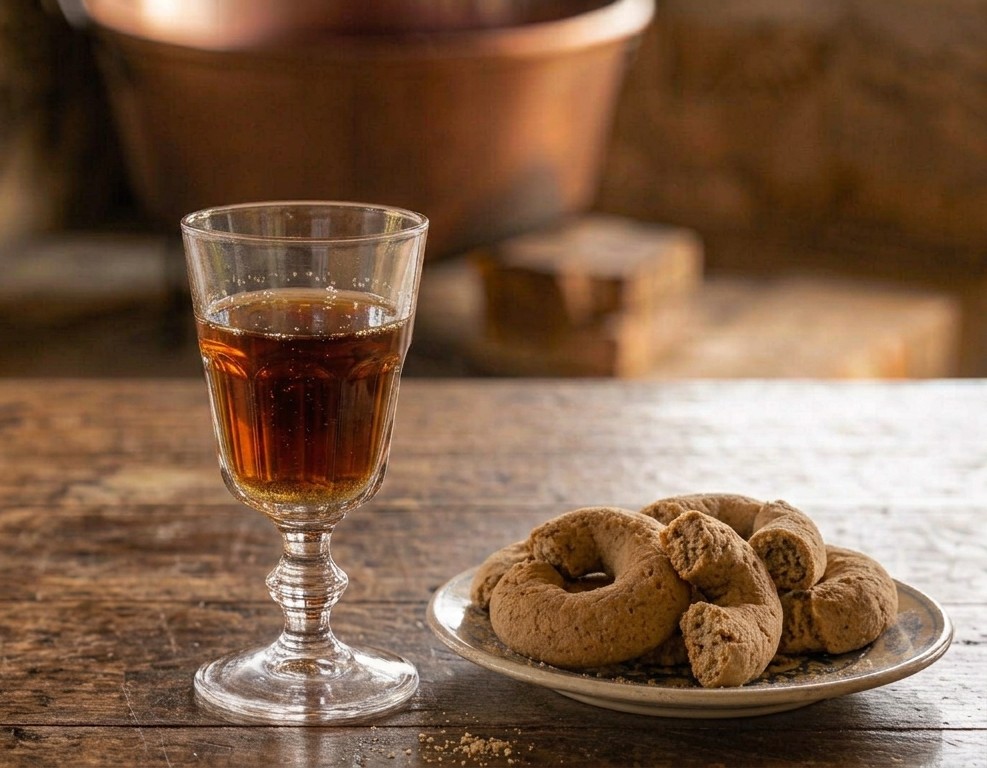
The Marche cooked wine is a winemaking product rich in history and tradition, symbolizing an agricultural culture with roots in centuries past.
With its sweet and enveloping character, cooked wine is not just a beverage but a deep connection to the territory and rural traditions of the Marche.
In this article, we will explore the history, production process, and curiosities that make the Marche cooked wine an excellence to discover.
Cooked wine has its roots in Roman times when families prepared it as a sweet beverage to preserve.
Over the centuries, the Marche have preserved and passed down this tradition, turning cooked wine into a pillar of local winemaking culture.
In the past, during harvest festivals, the people of Marche produced it to celebrate the harvest and to have a warm, sweet drink to enjoy in the winter months.
Marche families have spread the production of cooked wine, preparing it at home as a gesture of hospitality and connection to their roots.
Even today, they offer it during social and family events, making cooked wine an authentic symbol of conviviality and tradition.
Marche producers of cooked wine follow an artisanal process that begins with the grape harvest and the extraction of the must, the juice obtained from freshly harvested grapes. After pressing, they pour the must into copper cauldrons and boil it slowly, concentrating the flavors with careful and patient cooking.
During this phase, they carefully control the temperature and allow the water to evaporate, leaving only the denser and sweeter juices, which give the wine its sweet and unmistakable taste. Every action requires experience and precision, as both the temperature and cooking times profoundly influence the quality of the final product.
Once cooking is completed, producers transfer the wine into wooden barrels or other containers, where it is left to mature slowly. Over time, cooked wine develops increasingly complex aromas, revealing notes of ripe fruit, caramel, and spices.
This long process makes Marche cooked wine a truly unique product, an authentic expression of the region’s winemaking tradition and passion.
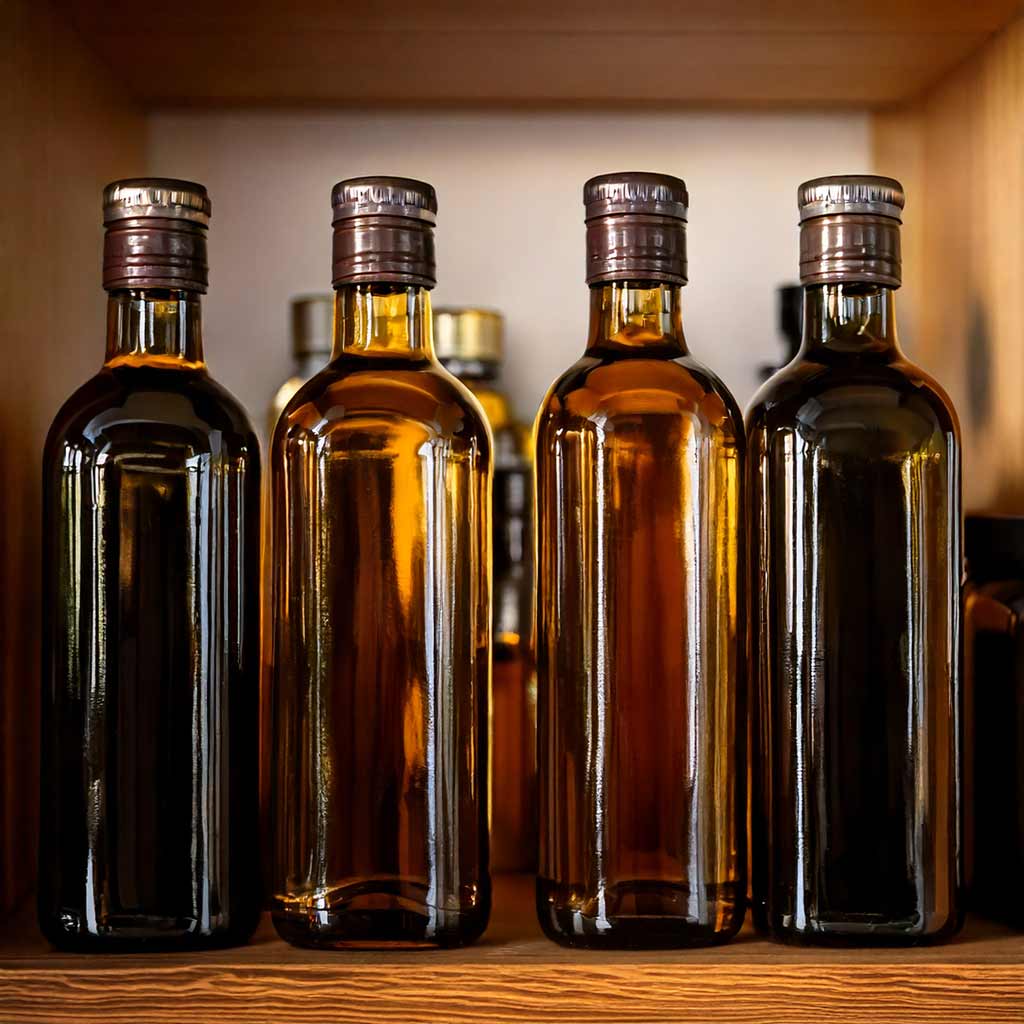
Marche cooked wine captivates with its density, amber color, and rich flavor.
Sweet but never cloying, it perfectly balances the natural acidity with the sweetness of the cooked must.
Each family offers its own version, but those who taste it immediately recognize Marche cooked wine for its unique aromatic profile, which varies based on the type of grapes used and the duration of maturation.
Those who serve it often propose it as a digestif or dessert beverage, but many chefs also use it in cooking to enrich traditional desserts and typical dishes.
The Marche winemaking tradition celebrates cooked wine not only as a beverage but also as a precious ingredient for authentic recipes, especially during the Christmas holidays.
Cooked wine is closely linked to village festivals and popular traditions of the Marche.
During Christmas and other occasions, many families warm it up and offer it to guests as a gesture of hospitality.
When they gather, the people of Marche gladly share it with friends and family, turning it into a symbol of conviviality.
In the past, those seeking natural remedies for respiratory illnesses also used cooked wine for its properties.
Thanks to its sugar concentration and long preservation, many considered it a valuable ally against winter ailments.
Those who prepared traditional Marche desserts also used it as a natural sweetener for cakes and cookies.
With its enveloping aroma and rich taste, cooked wine adds complexity and warmth to every creation.
The cooked wine of the Marche is a beverage that tells the story and culture of a fascinating region. With its enveloping flavor, cooked wine represents a winemaking tradition that, although passed down for centuries, continues to be appreciated even today. Its artisanal production and connection to local festivals and traditions make it a unique product, deserving of discovery and appreciation.
Every bottle of cooked wine from the Marche is a journey into the past, an experience that carries the warmth and authenticity of the Marche land. If you wish to get to know this delicacy more closely, Marche cooked wine is not only a pleasure for the palate but a true testament to culture and passion.